Reading List
I'm often asked about what I'm reading or learning about — either because someone wants to switch careers into data science or learn about product-led growth. Below are my must-reads for each category, selected by how often I reference them or how much they changed the way I think.
How do I become a better leader?
This book really put into perspective my own management style, and helped me define and pick where along the spectrums of kindness and firmness I wanted to be. Great tips and scenarios to test yourself through!
I've gone back to this book for their checklists on how to hire a VP of Sales, how to fire, how to compensate and title, and so much more. Truly an executive's guidebook.
Ever been in a situation where opinions differ and tensions are high? This book completely changed how I mediate product discussions like "What is delight?" If you feel like your conversations with teams go nowhere, Crucial Conversations are a great framework to start with.
How do I build an enduring company?
Elad has taught me a lot about what it means to be in a high growth business and has a genuine, rare sense of empathy that makes him an incredible guide throughout the journey. The book includes great guest features from people like Jerry Chen of Greylock and Claire Hughes Johnson from Stripe. There's practical advice too, like what PMs should be responsible for, how to build a recruitment org, and hiring for culture & values.
The book of OKRs. Enough said.
Another book about culture in theoretical practice. Reading this while working on your own organization's cultural mess can be cathartic in a way. My favorite quote: 'An organization knows that it has identified its core values correctly when it will allow itself to be punished for living those values and when it accepts the fact that employees will sometimes take those values too far. Core values are not a matter of convenience.'
Andy introduced the concept of managerial leverage to me. It taught me to look for ways to make my teams perform at their best and highest potential. The concept of 'limiting steps' applies not just to supply chain operations, but in product development, too.
The authors took a very statistical approach to evaluating the companies that are deemed 'great' based on stock returns. If you're looking for something with more rigor and analysis, this is an interesting read on the effects of compounding good decisions, diligently executed.
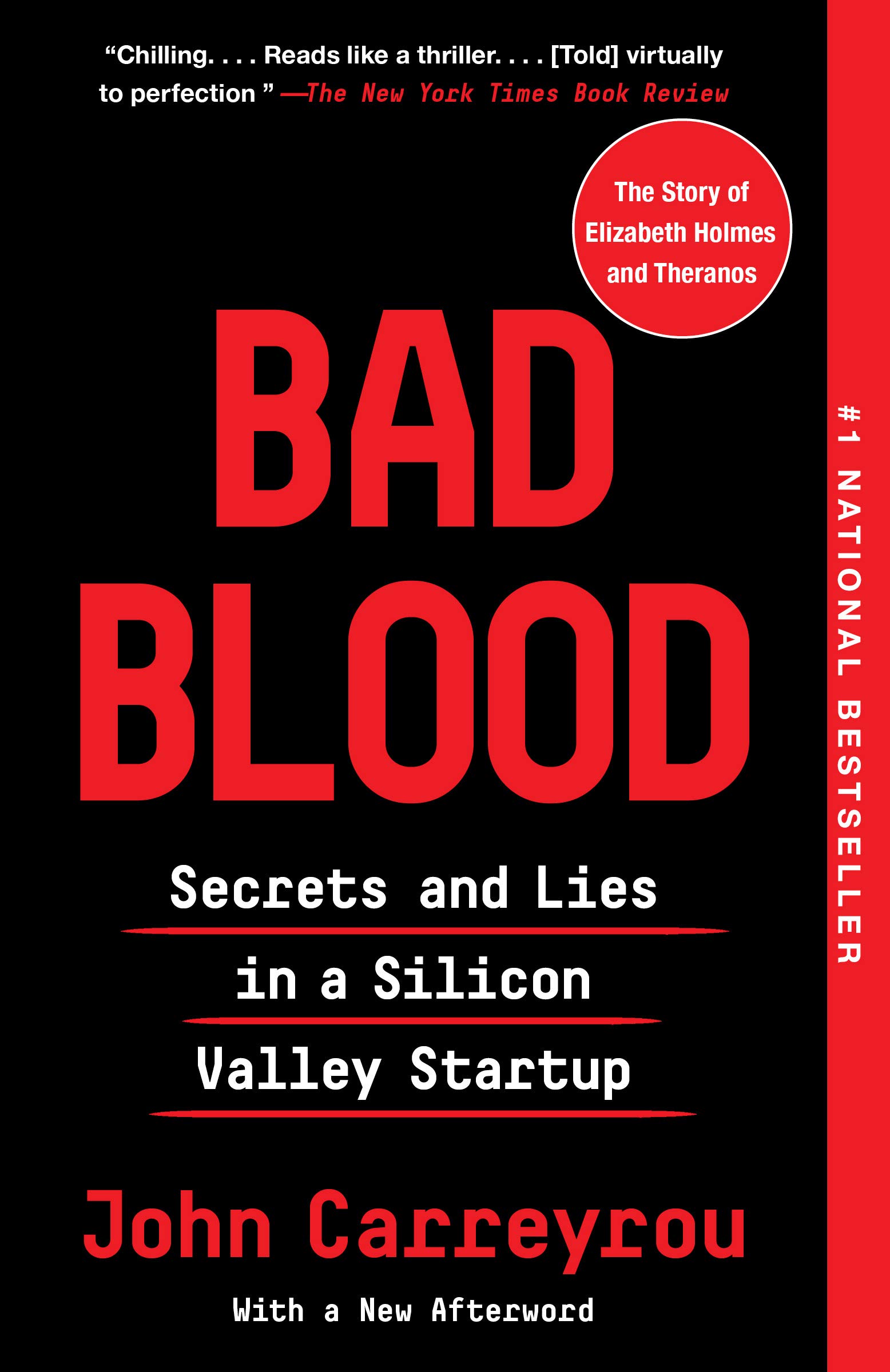
Well, this is what not to do.
How do I communicate with my users?
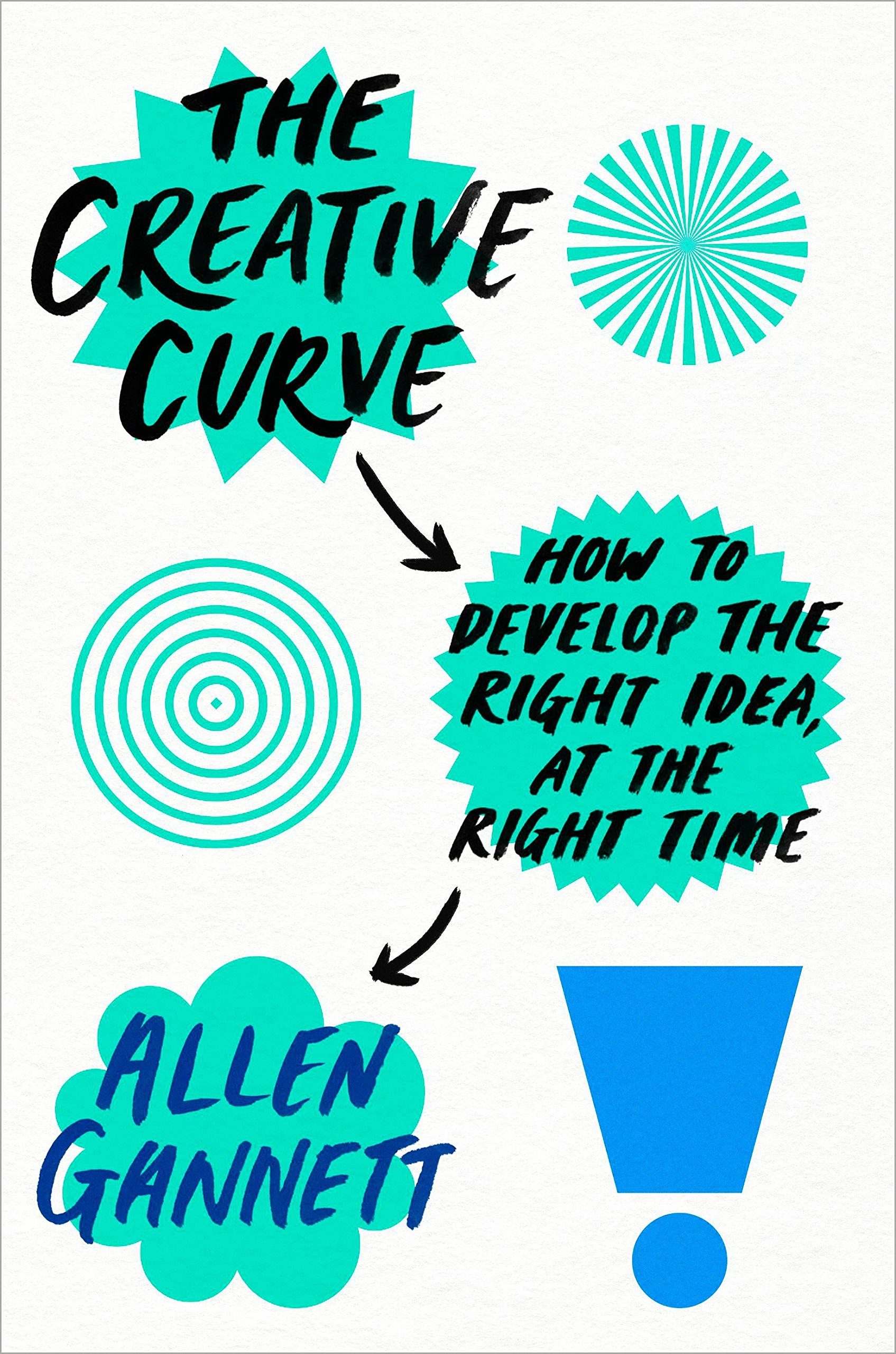
Bahari, VP of Creative at Gojek, recommended this to me as his book of the year — and what a book. If you struggle with being traditionally or artistically creative, this book helps explain the process and shines a light on alternative creativity.
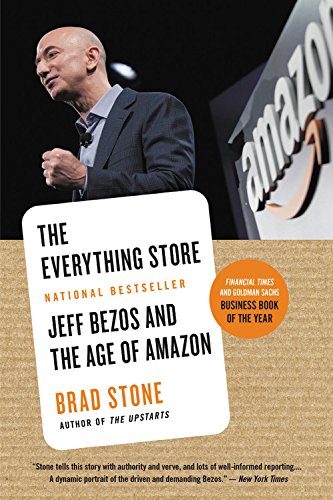
I may not agree with all of Amazon's practices, but they completely win on customer obsession. The stories of how they practice customer obsession in practice are wild — things like wooden doors as tables, and keeping an empty seat open during meetings for the aforementioned customer.
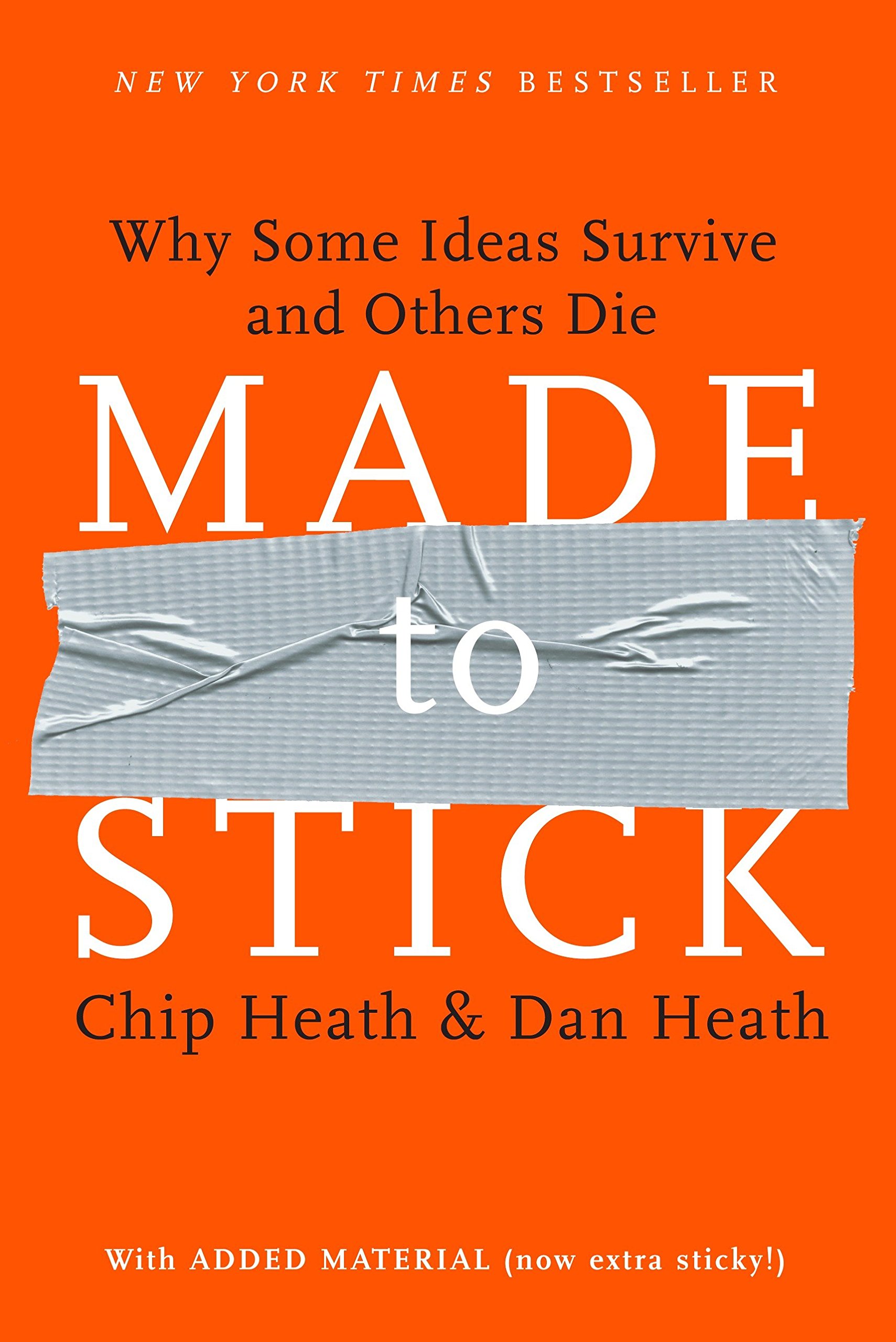
This book changed how I approach rhetoric, the art of speaking. If you're at a creative block, feel unoriginal, or just need ideas of how to tell your customers for the one millionth time what type of services you provide, Made to Stick has a great list of methods to start coming up with good ideas again.
Get templates on how to survey users about new features, strategies to compare cohorts, and practical guidance on how to use data to personalize user experiences.
How do I become data literate?
I've personally given several seminars on the contents of this book because it really does give you the basics of statistical thinking. If you want to become more intelligible and critical about the data your teams give you, this is a fantastic start.
This is probably more targeted towards the geeks and nerds in all of us. If you ever wondered about how your systems fetch data or why lists load so slowly, this explains the conceptual approaches that computers take to retreive information in a way that is incredibly engaging.
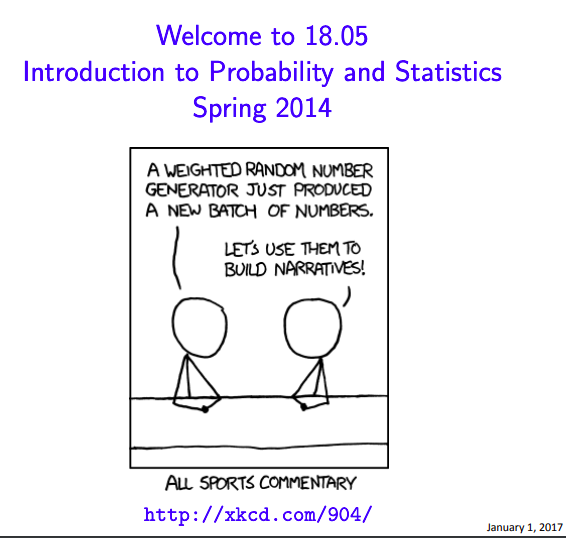
At the end of the day, if you really want to be data literate, the best way is to formally study their foundations!
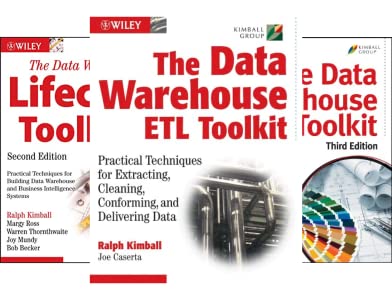
When I first joined Gojek, I read this book and kept it at my side for the entire first year of my career.
How do I learn and understand code?
Cryptocurrency could redefine how we think about value, wealth, and the systems that manufacture it. The content is pretty up-to-date until Week 5 which is where I would stop.

Is this a joke? Well, yes, and no. The real joke is why nobody's done this sooner. An entertaining, but entirely academically sound read.
I mean, they can't possibly use Rust.
An interactive, free way to play around with virtual boards.
My first interaction with code was through SQL. By knowing where data is coming from, how it is populated, and how it can be used, you will absolutely become a better programmer (or at least know how to talk to programmers).